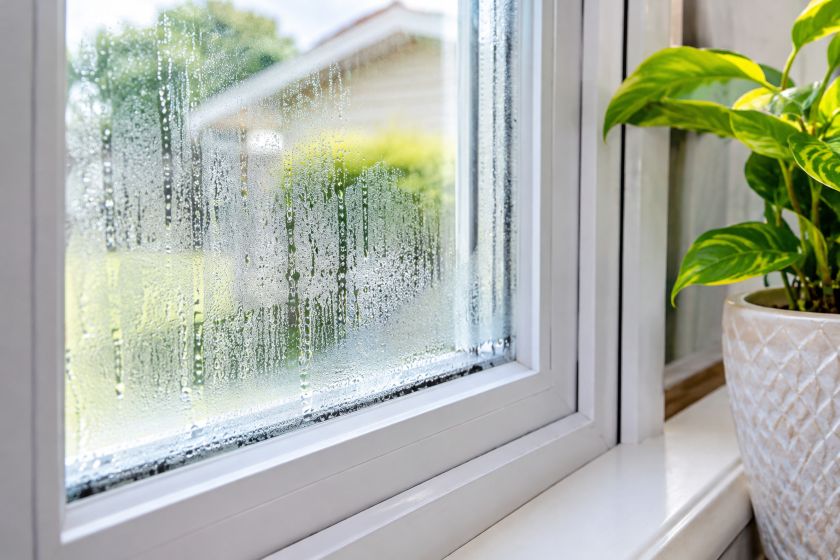
Windows play an important role in maintaining indoor comfort, natural lighting, and energy efficiency. Modern double-pane windows provide insulation by separating two layers of glass with a sealed space. However, when moisture appears between the panes, it can indicate that the window’s insulating glass unit is no longer functioning as intended.
For homeowners considering replacement windows near Costa Mesa, CA, understanding why condensation forms between glass panes can help you spot potential window performance problems before they become more noticeable. Occasional moisture on the interior or exterior glass surface can be normal, but persistent fogging inside a sealed window assembly often signals a problem worth addressing.
What Causes Condensation Between Window Panes?
Double-pane windows typically contain two sheets of glass separated by a spacer and sealed around the edges. The space between the panes may contain dry air or an insulating gas, such as argon, to help reduce heat transfer.
When the edge seal deteriorates, moisture can enter the space between the glass panes. Temperature changes may then cause this moisture to condense, producing a cloudy or foggy appearance.
Several factors can contribute to seal deterioration:
- Age-related wear: Window seals can gradually lose effectiveness after years of exposure to environmental conditions.
- Temperature fluctuations: Repeated expansion and contraction of window components can place stress on seals.
- Sun exposure: Prolonged exposure to sunlight can contribute to material deterioration over time.
- Installation problems: Improper installation or excessive pressure on the glass assembly may affect seal performance.
- Frame movement: Changes in the surrounding structure can place additional stress on window components.
Once moisture enters the sealed space, ordinary surface cleaning cannot remove it.
Understanding the Difference Between Normal Condensation and Seal Failure
Not all condensation indicates that a window needs replacement. Understanding where the moisture appears is essential.
Condensation on the Interior Glass Surface
Moisture on the room-facing surface can occur when warm, humid indoor air contacts cooler glass.
Activities such as cooking, showering, and using certain household appliances can increase indoor humidity.
Improving ventilation and managing indoor moisture levels may help reduce this type of condensation.
Condensation on the Exterior Glass Surface
Exterior condensation can develop when the outside glass surface cools below the surrounding air’s dew point.
This is sometimes observed on energy-efficient windows under certain weather conditions and does not necessarily indicate a defect.
Condensation Between the Glass Panes
Moisture trapped inside the sealed space is different. It generally indicates that the insulating glass unit can no longer keep the interior cavity dry.
You can’t simply wipe this type of condensation away because it’s between the panes, not on an accessible surface.
-
Persistent Fogging Can Indicate a Failed Window Seal
One of the clearest warning signs of an insulating glass problem is fogging that remains visible between the panes.
The appearance may change throughout the day as temperatures fluctuate. In some cases, the glass looks cloudy only during certain weather conditions.
Homeowners should watch for:
- Persistent haze between glass layers
- Fogging that returns after temperatures change.
- Small droplets trapped inside the glass assembly
- Cloudiness that cannot be removed by cleaning
- Visible moisture patterns near the glass edges
These symptoms suggest a qualified window professional should inspect the sealed glass unit.
-
Insulation Performance May Be Reduced
Modern double-pane windows rely on multiple components to limit heat transfer, including glass coatings, insulating spaces, spacers, and perimeter seals.
When the seal fails, moisture can enter the insulating cavity, and some or all of the original insulating gas may escape.
The window may still provide some insulation because it contains two glass panes. However, its thermal performance may no longer match the original product specifications.
For Costa Mesa homeowners, reduced insulation can affect indoor comfort, especially in rooms exposed to strong afternoon sunlight.
When appropriate, replacing a failed insulating glass unit or the entire window can help restore the intended performance.
-
Cloudy Glass Can Reduce Visibility and Natural Light
Condensation between window panes can affect more than thermal performance. It can also interfere with the clear views and natural light homeowners expect.
Initially, the problem may appear as a faint haze. Over time, repeated moisture exposure can leave visible deposits or staining on the interior glass surfaces.
Common visual effects include:
- Reduced clarity when looking outdoors
- Persistent streaks or cloudy patches
- Diminished visibility through affected areas
- Mineral deposits inside the glass assembly
- An uneven appearance compared with nearby windows
In living rooms, kitchens, and other frequently used spaces, these changes can become particularly noticeable.
-
Moisture May Indicate Additional Window Problems
Condensation trapped between panes primarily signals an insulating glass seal problem. However, homeowners should also inspect the surrounding window for other symptoms.
Water stains, deteriorating trim, damaged weatherstripping, or moisture around the frame may indicate separate issues involving drainage, air leakage, or water intrusion.
These conditions should not automatically be attributed to the failed glass seal.
During a window inspection, professionals may evaluate:
- Glass seal integrity
- Frame condition
- Weatherstripping
- Drainage openings
- Surrounding trim
- Signs of water intrusion
- Overall window operation
Identifying the source of each problem helps determine the appropriate corrective action.
-
Condensation Can Signal Aging Window Components
Window seals are designed for long-term performance, but they still age.
As windows age, exposure to sunlight, moisture, temperature changes, and normal structural movement can affect their components.
For homeowners researching replacement windows near Costa Mesa, CA, persistent condensation can be a useful reason to evaluate the overall condition of existing windows.
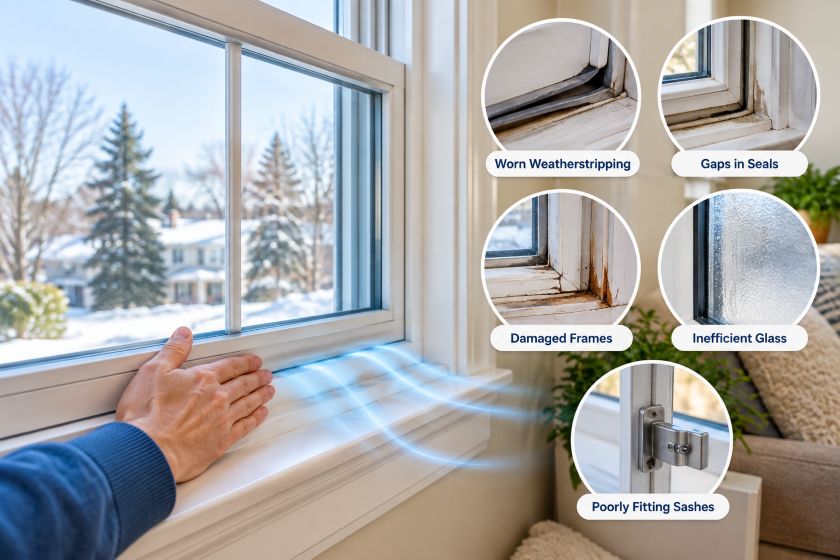
Other signs of aging may include:
- Difficulty opening or closing windows
- Worn or damaged weatherstripping
- Noticeable drafts
- Deteriorating frame materials
- Repeated moisture problems
- Damaged locking hardware
When several problems occur together, replacing the complete window may be more appropriate than addressing only the glass.
-
Southern California’s Climate Can Influence Window Performance
Costa Mesa experiences generally mild temperatures, but local conditions still influence window performance.
Sunlight exposure, coastal humidity, and changing temperatures can affect window materials over time.
Homes located closer to the coast may also experience salt-laden air, which can influence certain hardware and frame components.
These environmental factors make proper product selection and installation important.
Homeowners should consider windows with:
- Durable frame materials
- Quality insulating glass units
- Appropriate Low-E coatings
- Reliable perimeter seals
- Suitable weatherstripping
- Performance ratings appropriate for the local climate
Selecting products designed for the property’s exposure can help support long-term durability and comfort.
Can Condensation Between Window Panes Be Removed?
You can often wipe away surface condensation, but moisture trapped inside a sealed insulating glass unit requires a different approach.
Some services attempt to improve the appearance of fogged glass through specialized defogging procedures. However, these methods do not necessarily restore the original sealed construction, insulating gas, or rated thermal performance.
Depending on the window’s condition, professional options may include:
- Replacing the insulating glass unit: If the frame and sash are in good condition and compatible replacement glass is available, you may be able to replace the glass assembly.
- Replacing the complete window: This may be appropriate when the frame, sash, seals, or other components are also deteriorating.
- Review warranty coverage: Some insulating glass units include manufacturer warranties that may cover certain seal failures.
A professional inspection can help determine the best approach.
When Should Homeowners Consider Window Replacement?
Not every fogged window requires a complete replacement. However, certain conditions make it worth evaluating a new window system.
Consider professional replacement guidance when:
- Condensation repeatedly develops between panes.
- Several windows show similar signs of seal failure.
- Glass clarity has noticeably deteriorated.
- Frames or sashes are damaged.
- Windows are difficult to operate.
- Existing windows no longer provide satisfactory indoor comfort.
- The homeowner wants improved glazing or frame performance.
Evaluating these factors together helps homeowners make decisions based on the condition of the entire window assembly.
How Modern Replacement Windows Help Improve Performance
Modern replacement windows incorporate technologies designed to improve insulation, daylighting, and long-term performance.
When comparing available products, homeowners should review several important features.
Low-E glass can help manage radiant heat transfer while allowing useful natural light into the home.
Double-pane insulating glass provides a sealed cavity that helps reduce heat transfer compared with many older single-pane designs.
U-factor ratings indicate how effectively the complete window assembly resists non-solar heat transfer. Lower values represent better insulating performance.
The Solar Heat Gain Coefficient (SHGC) measures the fraction of solar heat that enters through a window. Lower ratings can be especially useful for openings that receive strong sunlight.
Quality frame construction and professional installation help ensure the window assembly fits properly and performs as intended.
These features can help homeowners select replacement windows suited to Costa Mesa’s climate and their property’s specific needs.
Why Professional Window Installation Matters
Even high-quality replacement windows depend on correct installation.
Proper measurements, alignment, flashing, sealing, and integration with the surrounding structure all contribute to reliable performance.
A qualified installer can evaluate the existing opening and identify conditions to address before installing a new window.
Professional installation also helps reduce the likelihood of problems related to improper fit, air leakage, and water intrusion.
Address Window Condensation Before It Becomes a Bigger Concern
 Condensation between window panes is more than a cosmetic inconvenience. It often indicates a failed insulating glass seal, which can affect visibility and thermal performance.
Distinguishing normal surface condensation from moisture trapped inside a sealed glass assembly can help homeowners decide when they need professional attention.
California Windows helps homeowners evaluate window styles, glass options, frame materials, and installation considerations for their properties.
If you’re considering replacement windows near Costa Mesa, CA, persistent condensation is a chance to assess your existing windows and choose products that support natural light, indoor comfort, and reliable performance.
Contact California Windows today to discuss replacement window options for your Costa Mesa home and find a suitable solution for fogged or deteriorating windows.